OSHA Requirements

Explore key OSHA regulations for Powered Industrial Trucks and learn how Wolter can help integrate them into your workplace safety training.

Download the 2026 Training Schedule to find upcoming classes at a training center near you.

ABOUT OSHA TRAINING

  • Sit Down Rider (classes I, IV, V, electric and internal combustion engine)
  • Narrow Aisle (class II, electric, order picker, reach truck and stand-up rider)
  • Powered Pallet Truck (class III)
  • Tuggers (class VI)
  • Rough Terrain (class VII)

The employer shall ensure that each powered industrial truck operator is competent to operate a powered industrial truck safely, as demonstrated by the successful completion of the training and evaluation specified.

Before permitting an employee to operate a powered industrial truck (except for training purposes) the employer shall ensure that each operator has completed the training required.

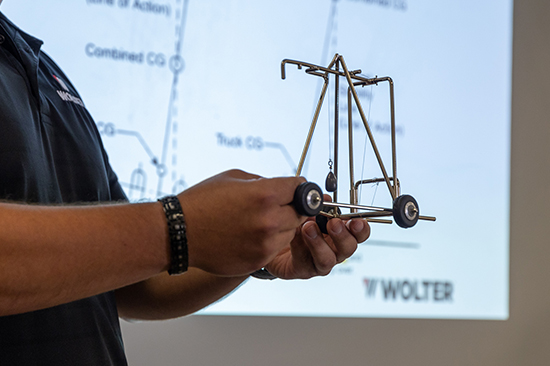
  • Classroom instruction
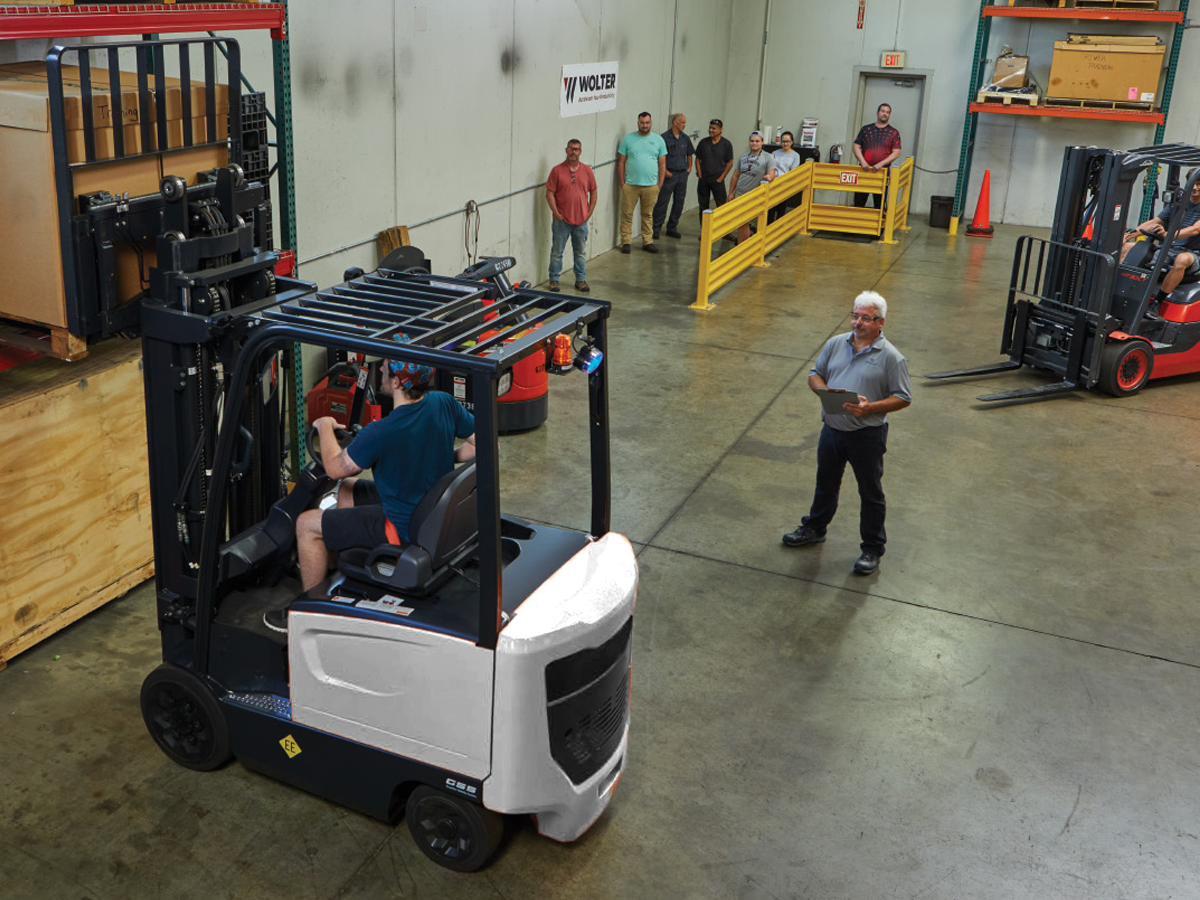
  • Practical exercises by the trainee (hands-on training)
  • Evaluation of the operator’s performance by the trainer
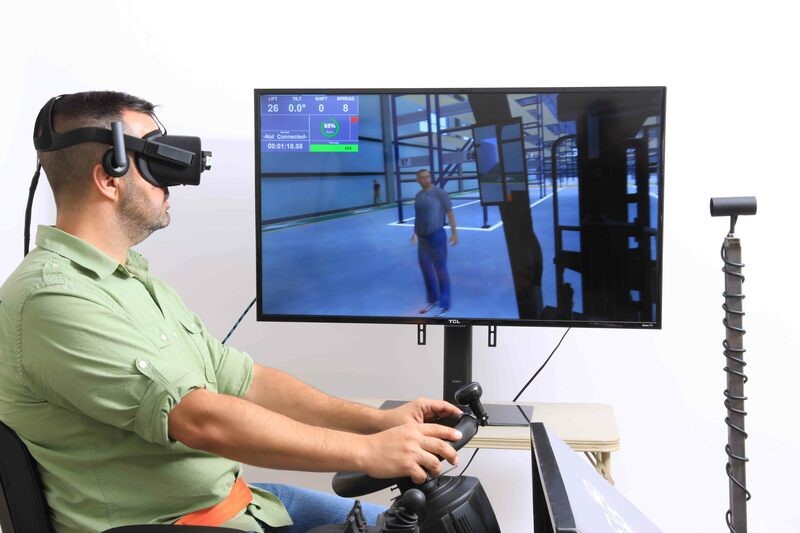
  • Use of computer aids or video
  • Use of a workbook
  • Requisite knowledge of powered industrial trucks
  • Attended training
  • Experience to train operators
  • The ability to evaluate operator’s competency
  • Adequate records showing the name of the operator, date of training and date of the evaluation
  • Retention of training materials and course outline
  • Name and address of outside contractor who performed the training
  • Operating instructions
  • Automobile vs. lift truck
  • Truck controls, instrumentation & power source
  • Steering, maneuvering & visibility
  • Vehicle capacity and stability
  • Refueling, battery changing & recharging
  • Workplace related topic
  • Load manipulation, stacking, etc.
  • Hazardous locations
  • Ramps and other sloped surfaces
  • Closed and potentially hazardous environments
  • Pre-shift inspections
  • Operating limitations & surface conditions

Refresher training and evaluation of any operator’s performance must be conducted at least once every 3 years as required by OSHA, as well as whenever:

  • An operator has been observed operating a vehicle in an unsafe manner
  • The operator has been involved in an accident or near-miss incident
  • An evaluation has been completed that reveals the operator is not operating the equipment safely
  • The operator is assigned to a different type of lift truck
  • A condition in the workplace changes in a manner that could affect the safe operation of the lift truck
Register for Training Classes Today

Learning Options

Equipment Type

OSHA Requirements