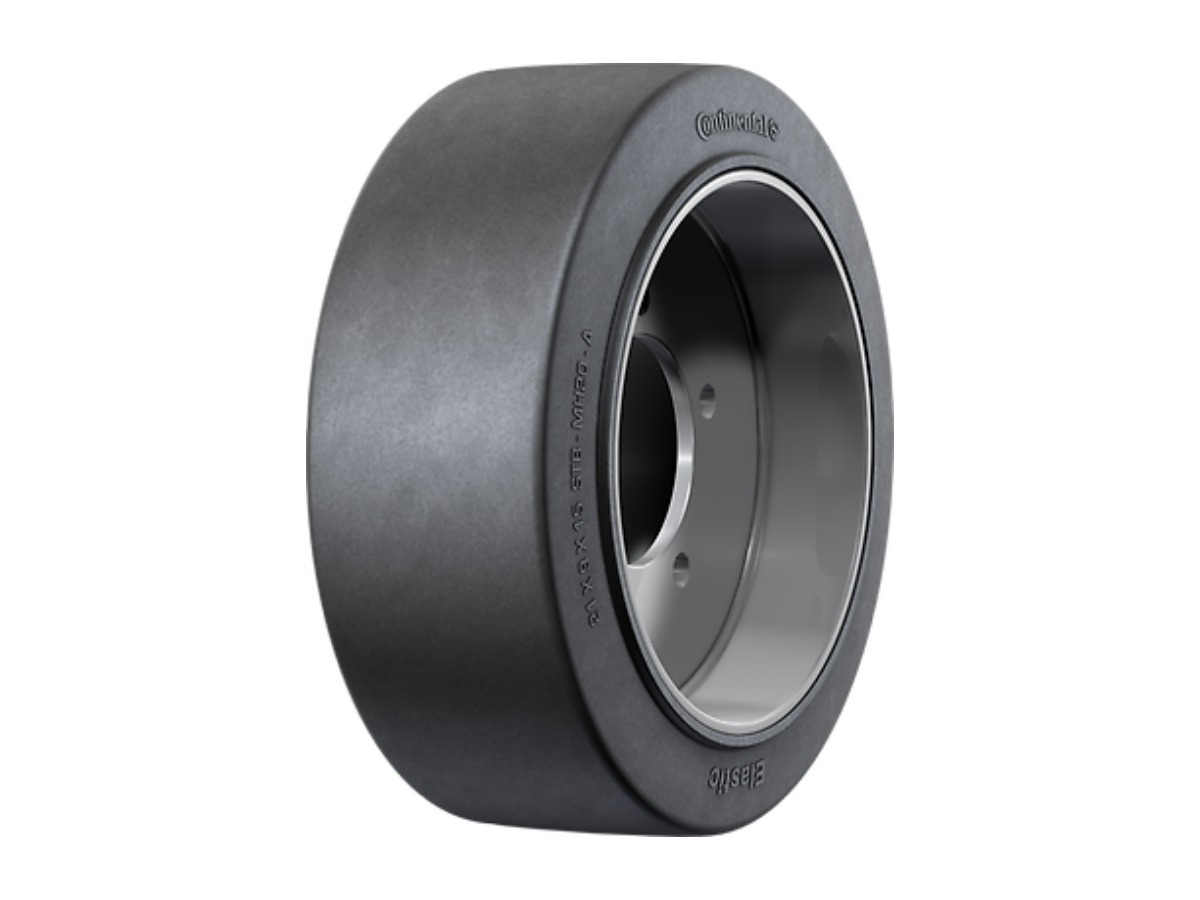
Cushion Forklift Tires
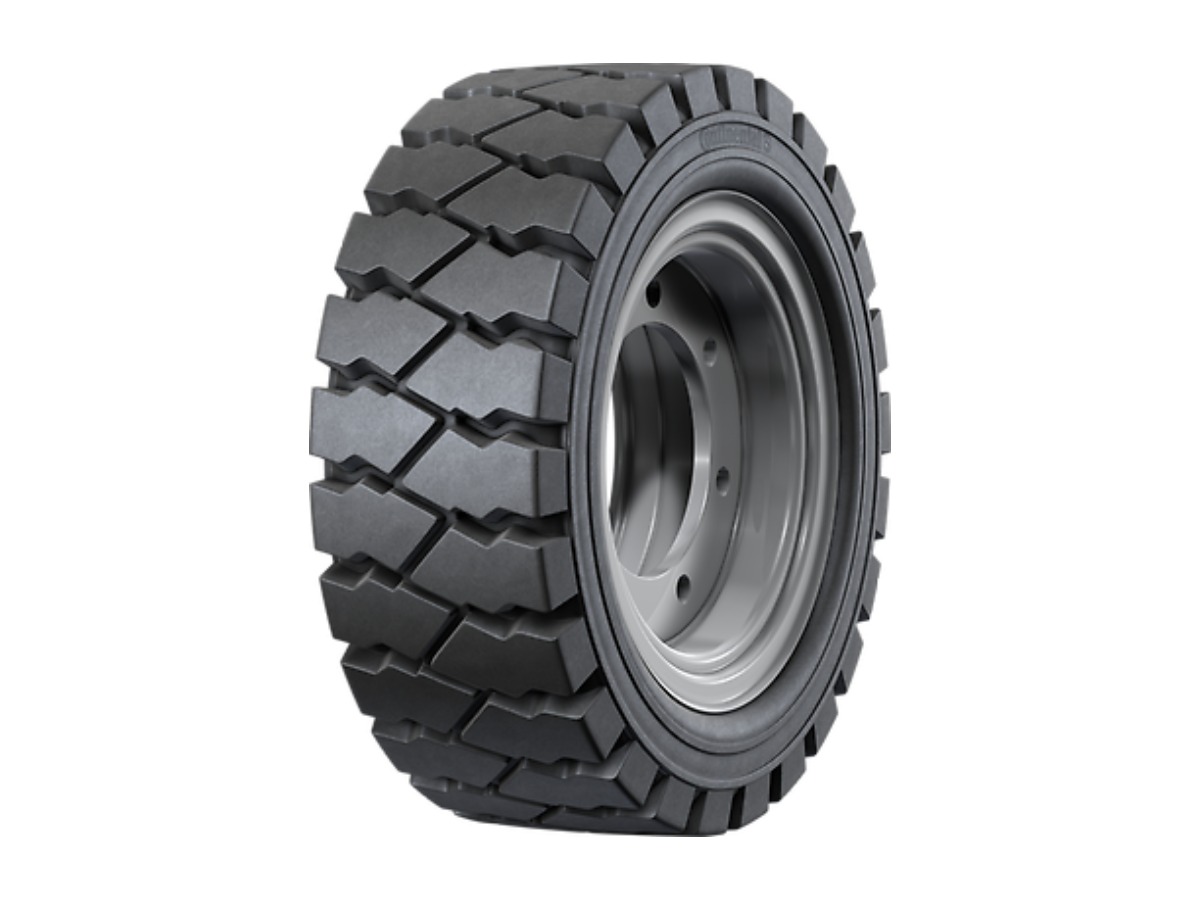
Pneumatic Forklift Tires
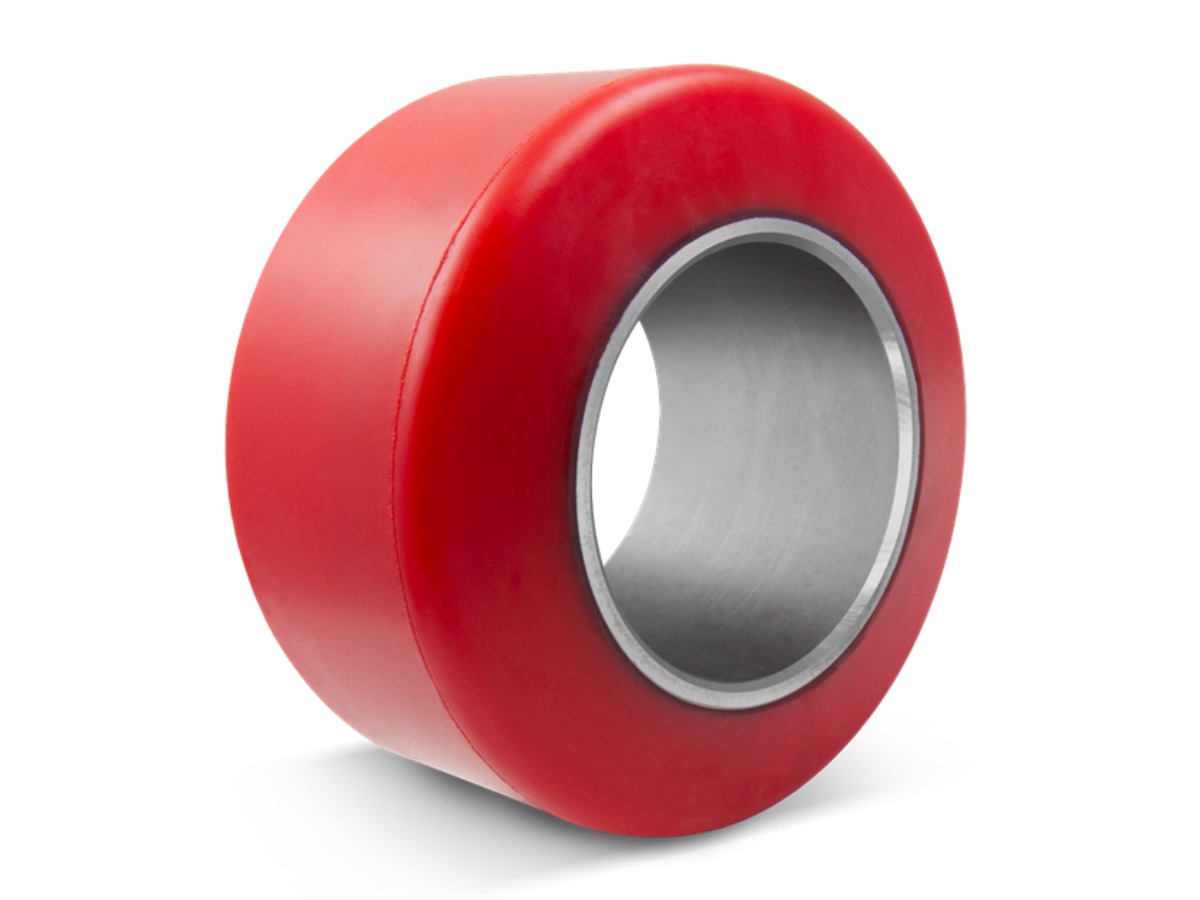
Polyurethane Forklift Tires
When You Should Replace Your Forklift Tires?
Learn what to look for when inspecting your forklift tires, and when it’s time to replace them.
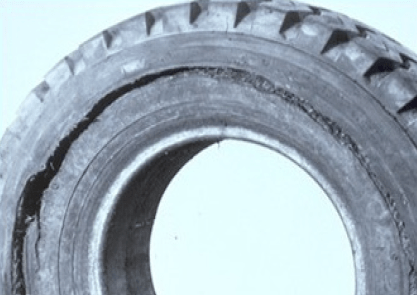
Blow-Outs
If too much heat occurs, primarily during long forklift runs, the rubber compound turns to a gel and blows out the sidewall of the tire.
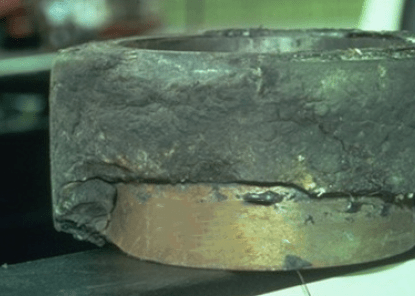
Bond Separation or Base/Cap Separation
When poorly bonded, press-on tires will begin to separate from the steel band and appear to be falling off the forklift.
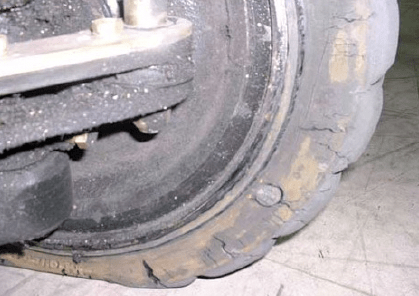
Improper Air Pressure
When running on underinflated tires you can easily overload the pneumatic tire, running the risk of sidewall separation, blowouts, rapid tread wear, and bead failures.
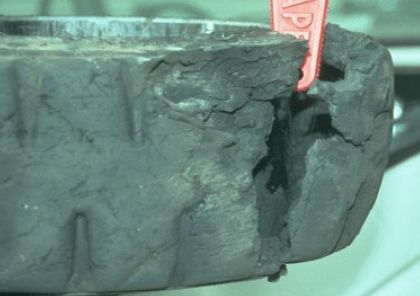
Chunking & Chipping
When forklift tires operate in extreme temperatures, collide with objects or continuously travel over debris, the tires will begin to lose pieces of tread, known as chunking or chipping.
Though a forklift operating with damaged tires is still operational, the condition of the lift truck’s tires could negatively impact other maintenance components and productivity.
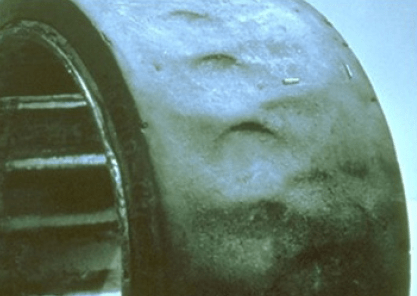
Pitting or Cupping
When the forklift appears to have concave dents in the tire surface, resulting in the forklift traveling unevenly.
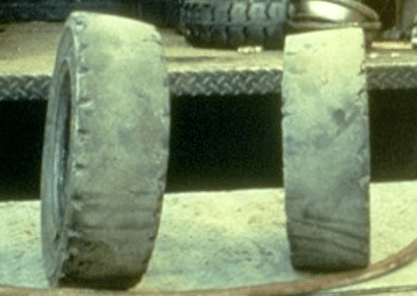
Flat or Uneven Spots
Uneven wear on your forklift tires could indicate that an inspection is needed, as the truck has most likely undergone improper use – such as sharp turns with heavy loads or excessive and heavy braking.
Flat or uneven spots can also occur when a warehouse or factory has uneven floors, causing uneven wear, and resulting in faster wear.